
Cellular Health, Metabolism and Healthy Aging
This collection explores cellular energy, oxidative stress, inflammation, mitochondrial function, body composition, cholesterol metabolism and healthy aging. Each resource is presented for education and discussion, with careful attention to the difference between biological mechanisms, early research, personal experimentation and established clinical guidance.
Astaxanthin and Cancer Recovery
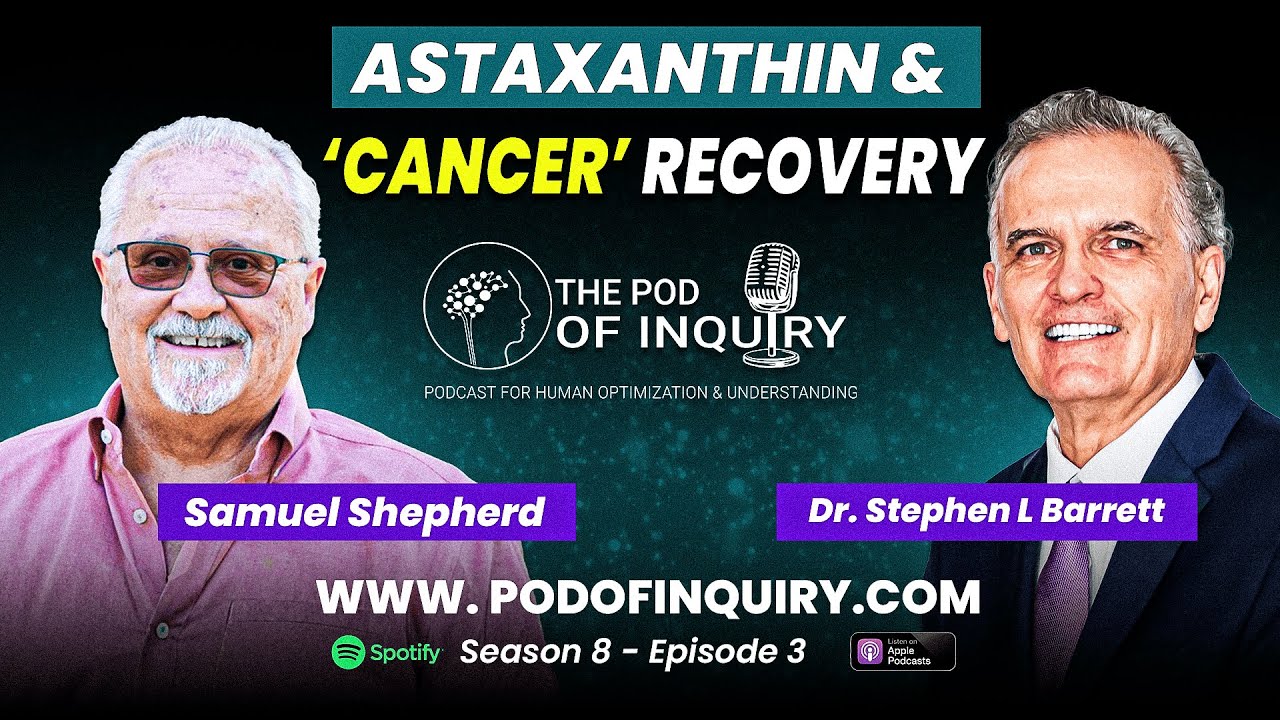
Biochemical engineer Samuel Shepherd connects a personal health crisis with a deeper investigation into reactive oxygen species, mitochondrial stress, protein damage and immune signaling.
 ▶
Biochemistry
▶
Biochemistry
Shepherd describes how his diagnosis with polycythemia vera pushed him to study the biochemical pathways that connect cellular damage, chronic inflammation and long-term health. The discussion examines why astaxanthin has attracted interest as a compound that may influence oxidative balance, while recognizing that mechanistic interest does not establish a cancer treatment.
Astaxanthin and Cancer Recovery, Part Two
The second conversation goes further into how chronic cellular stress may build over time and contribute to age-related vulnerability.
 ▶
Inflammation
▶
Inflammation
Rather than presenting a surface-level supplement overview, this episode focuses on the cellular environment in which inflammation develops. It is most useful as a framework for asking better questions about oxidative balance, aging and the limits of translating laboratory mechanisms into individual outcomes.
MCT Oil, Ketones and Metabolic Health After 50
This resource examines claims about adding a specific form of MCT oil to coffee and how medium-chain fats may affect ketone production, abdominal fat, muscle preservation and cellular energy.
 ▶
Metabolism
▶
Metabolism
How Red and Near-Infrared Light Interact With Cells
Professor Glen Jeffery of University College London explains why wavelength, timing, dose and tissue penetration matter when discussing red and near-infrared light.
 ▶
Red Light
▶
Red Light
The conversation moves past the idea that every red light device works the same. Jeffery discusses how light interacts with mitochondrial processes, why high-energy tissues such as the brain and muscles receive special attention, and why device specifications and dosing matter when evaluating potential benefits.
The 20-Year-Old Cholesterol Study Everyone Missed
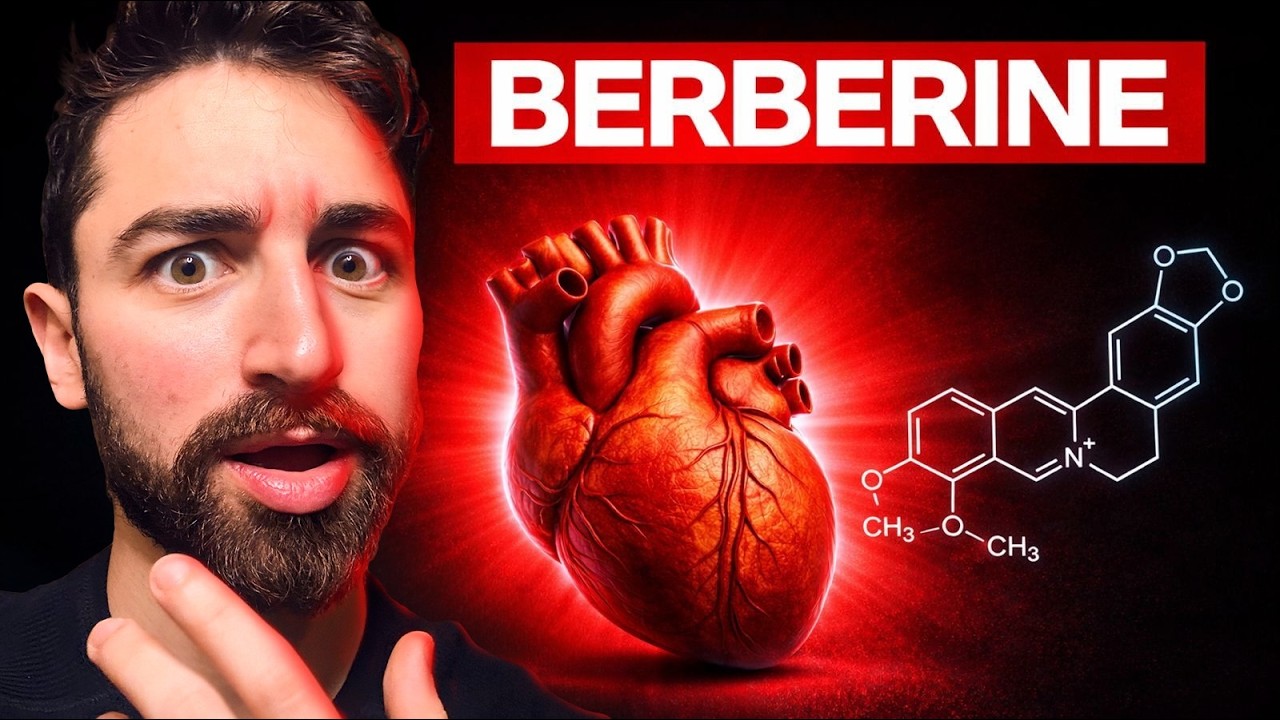
This video examines how berberine may influence LDL clearance through a mechanism that differs from simply reducing cholesterol production.
 ▶
Berberine
▶
Berberine
Berberine is presented as a plant alkaloid that may stabilize the cellular instructions used to produce LDL receptors. The episode is useful for understanding the proposed pathway, but a personal experiment cannot determine whether the same response, dose or safety profile applies to another person.
- Mechanistic evidence helps explain what may be possible.
- Clinical trials help determine whether an intervention works in people.
- Individual experiments may generate questions, but they do not replace controlled evidence.
- Supplements can interact with medications and may not be appropriate for every health situation.
Referral Bonus
Your personalized referral link makes it easy to introduce a friend to Hyperbaric Plus while earning a thank-you reward.
Watch the Referral Tutorials


Look Beneath the Claim
Strong health education separates headlines from mechanisms, mechanisms from human evidence, and promising ideas from individualized guidance.