Breakthroughs in Wellness and Recovery Newsletter
This edition breaks down four practical factors that can shape metabolic wellness: when you eat, how you manage stress, the everyday habits that support liver health, and why body composition often tells you more than scale weight alone.
The Importance of Meal Timing for Metabolic Health

What you eat matters, but the timing of your meals may also influence glucose handling, fat metabolism, sleep, and how your eating pattern aligns with your natural day-night rhythm.
A randomized crossover trial published in the Journal of Clinical Endocrinology & Metabolism compared a routine dinner at 6: 00 PM with a late dinner at 10: 00 PM. The late meal produced higher overnight glucose levels and lower fat oxidation in the study setting.
That does not mean everyone must follow the same schedule. Work, sleep, medications, activity level, and health conditions all matter. A useful starting point is to avoid making your largest meal the last event of the night and to build a schedule you can maintain consistently.
Practical takeaway: Consider placing more of your food earlier in your waking day while leaving enough time between your final meal and bedtime to support comfort and sleep.
How Stress Can Affect Weight Goals and Energy
Stress is not simply a feeling. It activates biological and behavioral responses that can influence appetite, sleep, food choices, recovery, and energy regulation.
Cortisol is one of the hormones involved in the stress response. Research has linked chronic stress and altered cortisol patterns with greater vulnerability to abdominal fat accumulation, insulin resistance, and cravings for calorie-dense foods. The relationship is complex, and stress does not affect every person in the same way.
- Use slow breathing or breathwork to create short periods of calm.
- Take regular walks, especially outdoors when possible.
- Protect a consistent sleep and wake schedule.
- Build recovery time into demanding weeks instead of waiting for burnout.
- Seek qualified support when stress feels persistent or unmanageable.
Simple Steps That Support Liver Health
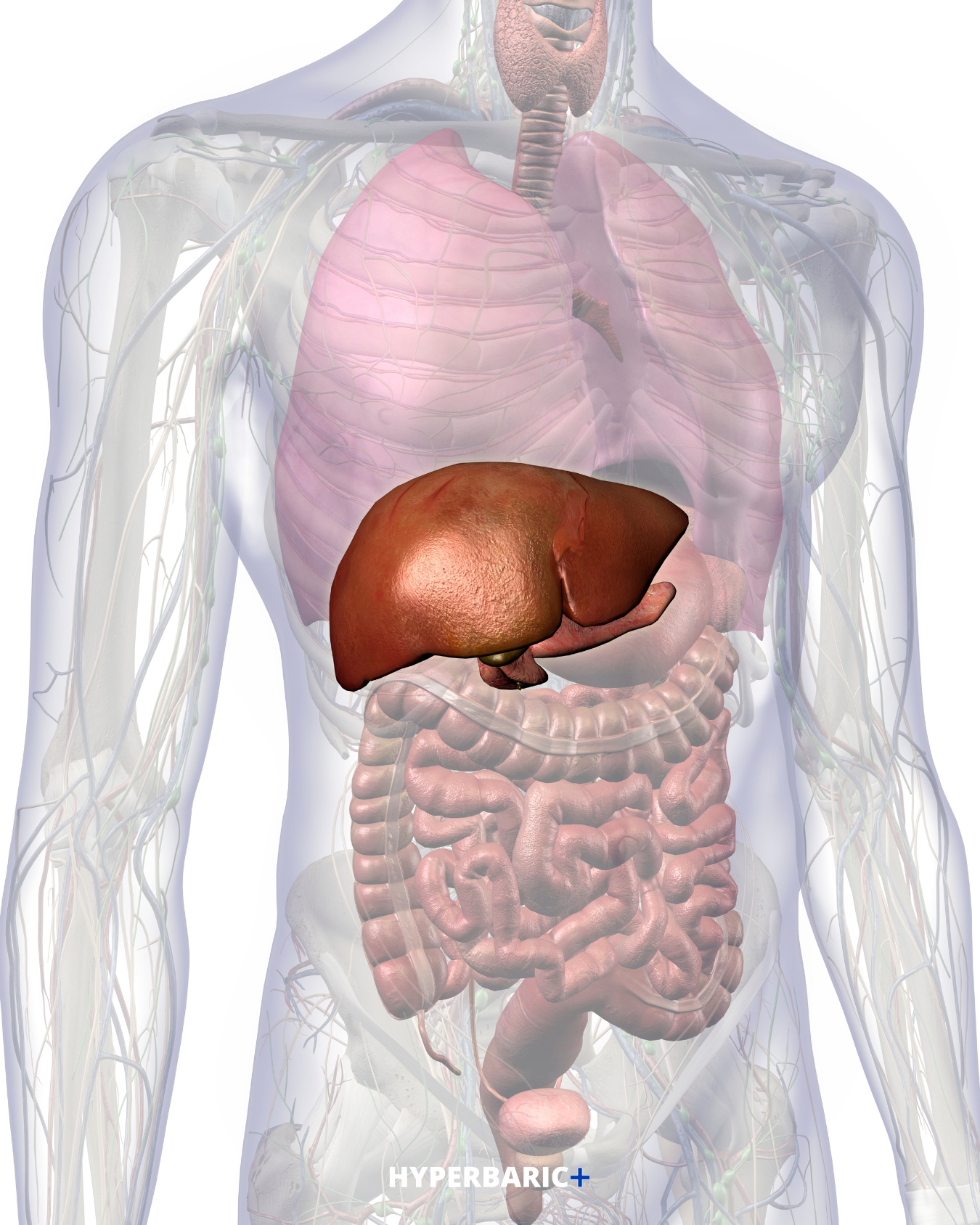
The liver is a major metabolic organ involved in processing nutrients, producing important substances, storing energy, and helping the body handle waste products.
The strongest everyday habits are not dramatic detoxes. They are consistent choices that support overall metabolic health, including a balanced diet, healthy weight management when needed, regular activity, and limiting or avoiding alcohol.
- Choose a balanced pattern built around minimally processed foods.
- Include vegetables, fruit, fiber-rich foods, and appropriate protein.
- Stay hydrated according to your individual needs.
- Limit alcohol and avoid combining alcohol with medications that may affect the liver.
- Review supplements and herbal products with a qualified professional.
Supplement caution: Products such as milk thistle or NAC are often marketed for liver support, but quality, dose, evidence, interactions, and suitability vary. Speak with a qualified healthcare professional before adding them.
The Truth About Body Composition Versus Weight Loss
Scale weight is one measurement, but it cannot show how much of that weight comes from fat, muscle, bone, water, or other tissue.
Two people can weigh the same while having very different body-fat percentages, muscle mass, waist measurements, strength, and metabolic health. A person can also lose inches, gain strength, and improve body composition without seeing a dramatic change on the scale.
Referral Bonus
When you send your friend a referral, you can earn a free session and they get 25% off their first session if they book through your referral.
Your free session posts after they come and pay for their session.
Watch the Referral Tutorials


Build Habits That Work Together
Meal timing, stress regulation, liver-supportive habits, and better progress measurements can work together as part of a more sustainable approach to metabolic wellness.