Breakthroughs in Wellness and Recovery Newsletter
Save it, share it, and keep the conversation going.
🧠 Health Education Resources 🧬
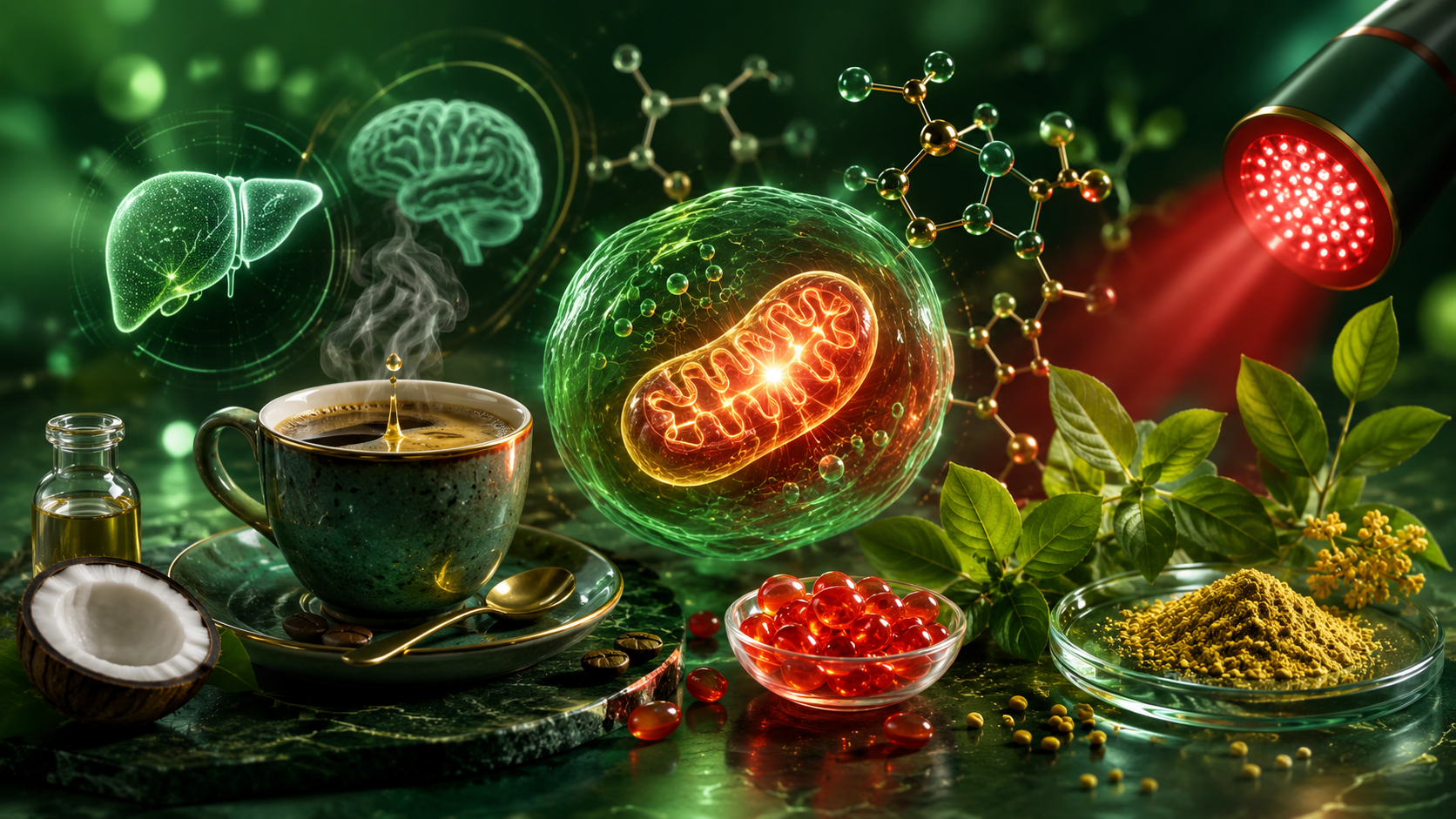
This education-first edition explores the cellular mechanisms connecting metabolism, inflammation, oxidative stress, mitochondrial activity, body composition, cholesterol regulation, and aging. It features conversations and research resources covering astaxanthin, MCT oil, red and near-infrared light, and berberine so readers can compare biological theories, human evidence, personal experience, and the limits of what has actually been established.
Astaxanthin, Cellular Stress and Long-Term Health
These two conversations follow biochemical engineer Samuel Shepherd's personal health experience and his investigation into reactive oxygen species, mitochondrial dysfunction, protein damage, inflammation, and antioxidant defenses.
 ▶
Part One
▶
Part One
 ▶
Part Two
▶
Part Two
MCT Oil, Energy Metabolism and Muscle Preservation
Medium-chain triglycerides are metabolized differently from many long-chain fats. Research has explored their effects on energy expenditure, fat oxidation, body composition, ketone production, and muscle function.

Randomized-trial meta-analyses suggest that replacing some long-chain dietary fats with MCTs may produce modest average reductions in body weight, waist circumference, and body fat. Separate small studies in frail older adults have reported improvements in selected measures of muscle mass or function. These findings do not prove that MCT oil reactivates stem cells or starves cancer in people.
Why Wavelength, Dose and Tissue Matter
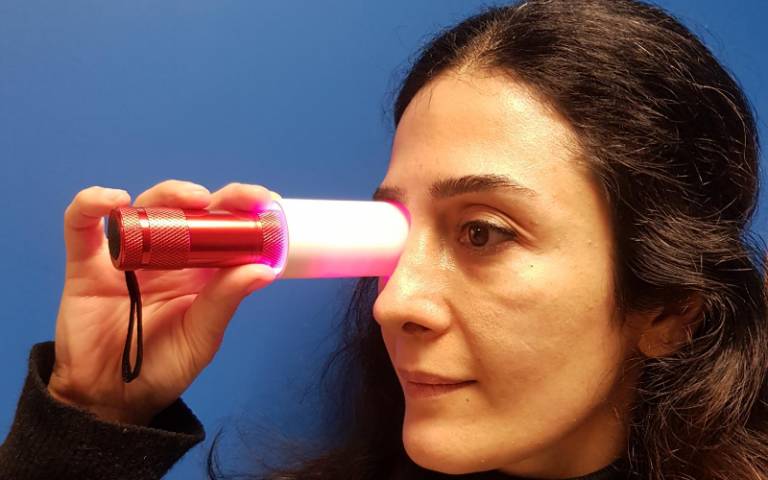
Professor Glen Jeffery of University College London explains how selected red and near-infrared wavelengths interact with biological tissue and why mitochondrial responses depend on more than simply seeing a red glow.

 UCL Research
 Metabolism Study
Berberine and the LDL-Receptor Pathway
The final video link in the source material was labeled as a peptide Q&A, but the linked video is actually a cholesterol and berberine discussion. This section uses the correct title and topic.

 NIH Safety Guide
The original study described a pathway distinct from simply blocking cholesterol synthesis. It combined laboratory experiments with a small human component and reported reductions in cholesterol measures. That makes the mechanism scientifically interesting, but it does not mean berberine is appropriate for every person or equivalent to a prescribed lipid-lowering plan.
- LDL cholesterol is only one part of cardiovascular risk assessment.
- Supplement quality, dose, absorption, and product contents can vary.
- Berberine can cause gastrointestinal side effects.
- Berberine may interact with medications and should not be used during pregnancy, breastfeeding, or infancy.
- Do not stop prescribed cholesterol medication based on an online video or a single study.
Ask Better Questions Before Acting
Mechanisms can explain why an intervention deserves study. They cannot, by themselves, tell us whether it improves a meaningful health outcome.
- Was the evidence collected in cells, animals, healthy volunteers, or people with the condition being discussed?
- Was the study randomized and controlled, and how many people completed it?
- Did researchers measure a biomarker, a symptom score, physical function, disease progression, or survival?
- Was the exact dose, wavelength, product, or preparation the same as what is being promoted?
- Were medication interactions, adverse effects, and conflicts of interest clearly reported?
Referral Bonus
When you send your friend a referral, you can earn a free session and they get 25% off their first session if they book through your referral link.
Your free session posts after they come and pay for their session.
Watch the Referral Tutorials


Understand the Mechanism.Verify the Outcome.
Good health education makes room for promising research, honest limitations, individual differences, and responsible decisions.